modash

Practical workflows

How to use modash examples for influencers

Explore repeatable ways influencers and creator teams can use Modash to find relevant partners, evaluate campaign fit, and turn research into a clear next step.

Results depend on available data
Creator research workspace with influencer campaign examples

what this scenario must deliver

Useful examples should move from a specific creator question to an actionable decision, not just produce a long list of profiles.

Brand partnership manager

Build a shortlist of Instagram creators for a seasonal product launch, using audience fit and recent content as the first filters.

A focused shortlist with a clear reason each creator belongs in the next review.

modash for instagram

Influencer manager

Compare several creators before pitching a collaboration, checking content consistency, audience signals, and likely campaign fit.

A defensible recommendation that makes outreach more relevant and easier to personalize.

modash youtube

Independent influencer

Research adjacent creators and brands to understand which partnerships, formats, and audiences align with a growing niche.

A sharper positioning plan based on comparable creator activity instead of guesswork.

modash tutorial for influencers

Agency strategist

Turn a client brief into a repeatable research workflow across categories, channels, and creator sizes.

A consistent evidence trail that supports client recommendations and reduces avoidable rework.

what is modash

each item

These examples show how a precise research instruction can produce a more useful starting point for creator decisions.

prompts.log
  1. 1
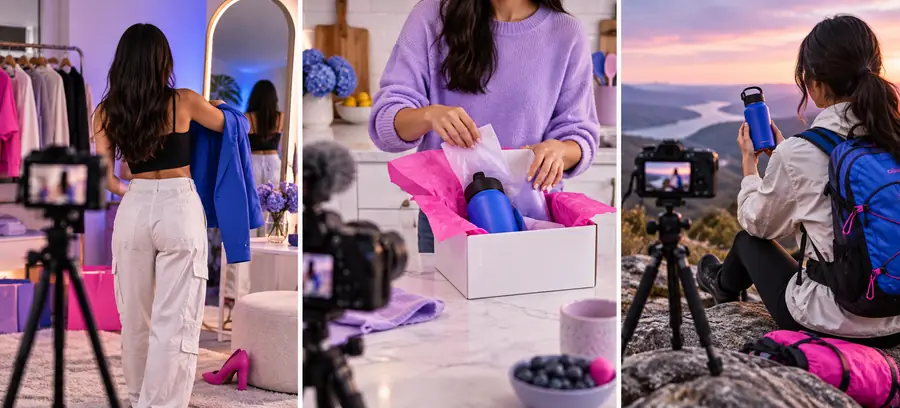
    Find Instagram creators in sustainable fashion whose recent posts show strong brand storytelling and an audience interested in ethical clothing.
    Creator discovery Niche, channel, content fit
  2. 2
    Show food creators with consistent recipe content, visible engagement, and an audience that matches a premium kitchen product campaign.
    Audience research Content, engagement, campaign fit
  3. 3
    Compare outdoor creators who post hiking and travel content, then flag the profiles that look most relevant for a durable gear partnership.
    Creator comparison Category, consistency, relevance
  4. 4
    Find skincare creators whose recent content explains products clearly and appears suited to an education-led launch rather than a one-off mention.
    Campaign planning Recent content, format, fit
Fashion creator discovery example 1 Fashion
Food creator shortlist example 2 Food
Outdoor creator research example 3 Outdoors
Skincare creator campaign example 4 Skincare

Adapt each prompt by naming the channel, category, audience signal, and campaign decision you need to make.

quality bar

Choose the workflow that matches the decision in front of you; more data is not automatically better data.

Choose this when

You are starting with a broad category or product idea

Begin with discovery and narrow by channel, niche, audience, and recent content.

A structured first pass prevents a familiar creator from becoming the default choice without evidence.

Choose this when

You already have a shortlist of influencers

Switch to comparison and validate fit, consistency, and campaign relevance side by side.

The decision is no longer who exists; it is who best matches the brief and can support the intended outcome.

Choose this when

You are preparing outreach or a proposal

Capture the specific reason each creator fits and connect it to the campaign message.

Useful research gives the next person enough context to write a relevant pitch instead of repeating the search.

common rework

The strongest before-and-after difference is usually a better brief: the second pass names the decision, not just the category.

Broad influencer research view Focused Instagram creator research view Broad request Decision-ready request

Compare a broad category search with a brief that specifies channel, audience, content, and campaign purpose.

Broad requestDecision-ready request

common rework

Use these workflows to keep research moving from a rough request to a useful creator recommendation.

  • Discovery
  • Validation
  • Outreach
  1. Discovery Verified

    Turn a category into a shortlist

    Start with the creator type and campaign context, then narrow the search using the signals that affect the decision.

    1. Write the campaign outcome
    2. Choose the channel and category
    3. Review a focused set of creators
    4. Record the reason for each selection
    Run a discovery workflow
  2. Validation Verified

    Validate creator fit

    Use a second pass to check whether a promising profile matches the audience, content style, and consistency required by the brief.

    1. Define the fit criteria
    2. Compare shortlisted profiles
    3. Check recent content patterns
    4. Remove weak matches before outreach
    Validate creator fit
  3. Outreach Verified

    Prepare relevant outreach

    Convert research into a concise outreach angle by connecting the creator’s content and audience to the campaign message.

    1. Choose one relevant content signal
    2. Match it to the campaign purpose
    3. Draft a specific collaboration angle
    4. Keep the research notes with the pitch
    Prepare outreach
  4. Validation Verified

    Review the campaign loop

    After a campaign, revisit the original selection logic and note which signals were useful for the next influencer brief.

    1. Review the original creator criteria
    2. Compare them with campaign learnings
    3. Keep the signals that proved useful
    4. Refine the next research brief
    Review campaign learnings

Make your next creator search more concrete

Use Modash to turn a vague influencer idea into a focused research task, then carry the useful evidence into comparison and outreach.

Explore creator research
  • Start with a clear campaign decision
  • Organize discovery around relevant signals
  • Move from examples to a repeatable workflow

scenario FAQ

Useful examples show a complete decision path, such as finding creators in a niche, comparing shortlisted profiles, or preparing a relevant outreach angle. The best examples name the channel, audience, content signal, and campaign purpose.

Yes, influencers can use a structured research workflow to study adjacent creators, content patterns, and potential brand categories. The goal is to identify practical positioning ideas rather than copy another creator’s approach.

State what you want to decide, then add the channel, category, audience, content type, and any quality signal that matters. A specific brief is more useful than a broad request such as finding popular influencers.

The workflow can be adapted to either channel, but the evidence you prioritize should reflect the platform. For Instagram, recent posts and audience fit may lead; for YouTube, format, topic consistency, and long-form relevance may matter more.

Explore platform
Explore platform